Mama Cacao is the loving name many people give to the spirit of Cacao. Its roots lie in the Indigenous cultures of Central and South America, and today people all over the world drink Cacao in Ceremony. This article asks a fair question: how do you honor those roots instead of simply taking from them?
The essence of Mama Cacao: a language of the heart
For many Indigenous communities in Central and South America, Cacao has never been just a plant. It is a sacred being and a guide that opens the heart. And yet her essence reaches far beyond one place or one people.
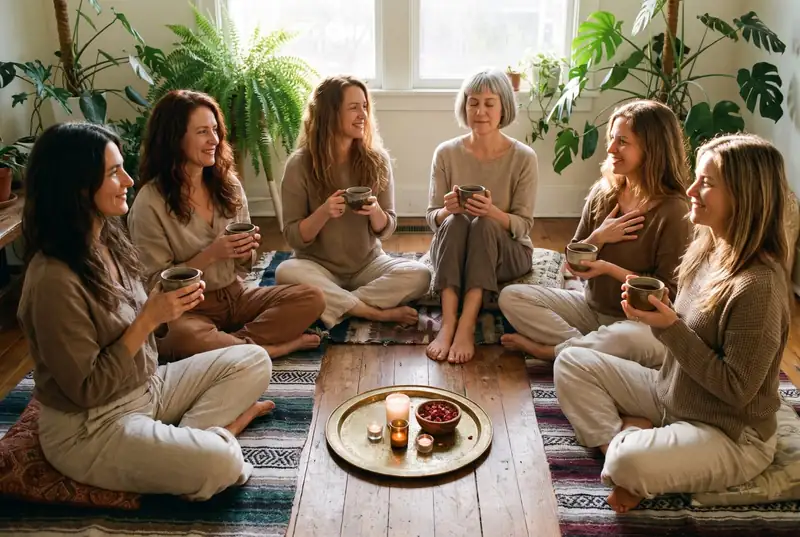
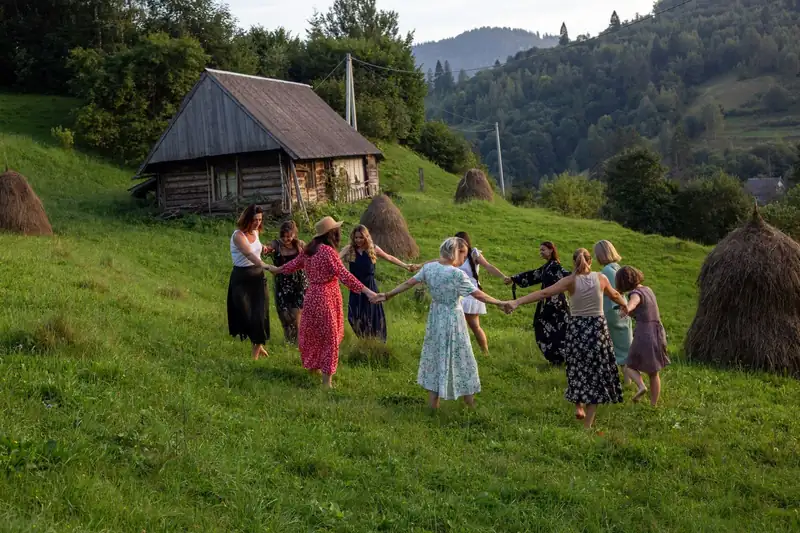
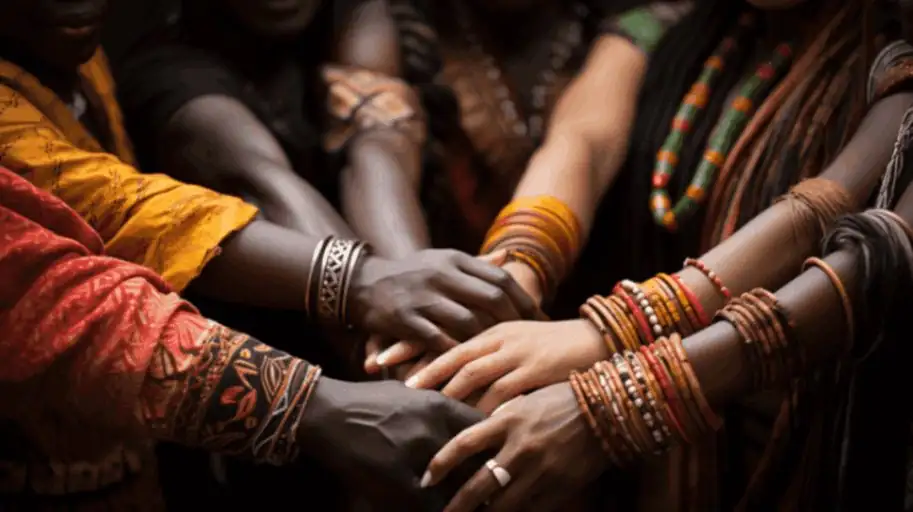
In a world where borders often divide us, Cacao can become a shared language of the heart. People from many backgrounds sit together in a circle, drink slowly and feel connected. When Cacao is shared with intention and respect, it brings people closer to themselves and to each other.
Cultural appropriation or appreciation?
Cultural appropriation is a hot topic, and the concern behind it is valid. Taking parts of a culture without permission, especially from communities that have been pushed to the margins, can feed harmful stereotypes and deepen inequality. It is a fair question, and we take it seriously.
Appropriation means taking parts of a culture without permission, often by people who hold more power or privilege. It can show up in fashion, in language and in spiritual practice.
Appreciation means using parts of a culture while honoring where they come from. You learn what they mean, you name their source and you treat them with care.
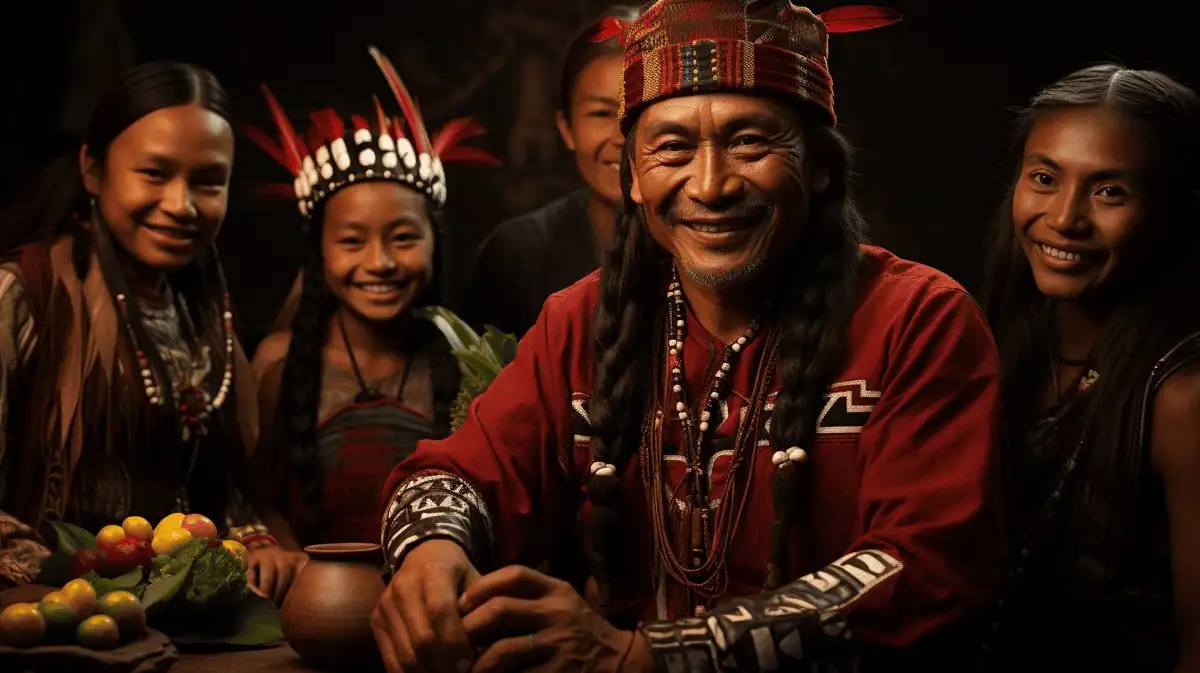
In our work with Cacao, this is the path we choose. We honor the long history of Cacao and the way Indigenous cultures have used it. We do not treat Cacao as a product. We approach it as a sacred plant with much to teach, and we share that wisdom in a way that respects its origins.
Why education matters
Respect begins with knowing. That is why education is at the heart of our training. It is not only about how to prepare a Cacao Ceremony. It is about understanding the traditions you step into and the people who kept them alive for so long.
Our students learn where the Ceremony comes from and what it means in Indigenous communities. They learn to come not as outsiders who take, but as humble students who listen, learn and give thanks.
This respect does not stay with one person. It ripples out into every circle they hold, and into the way their guests see Cacao and the cultures it comes from.
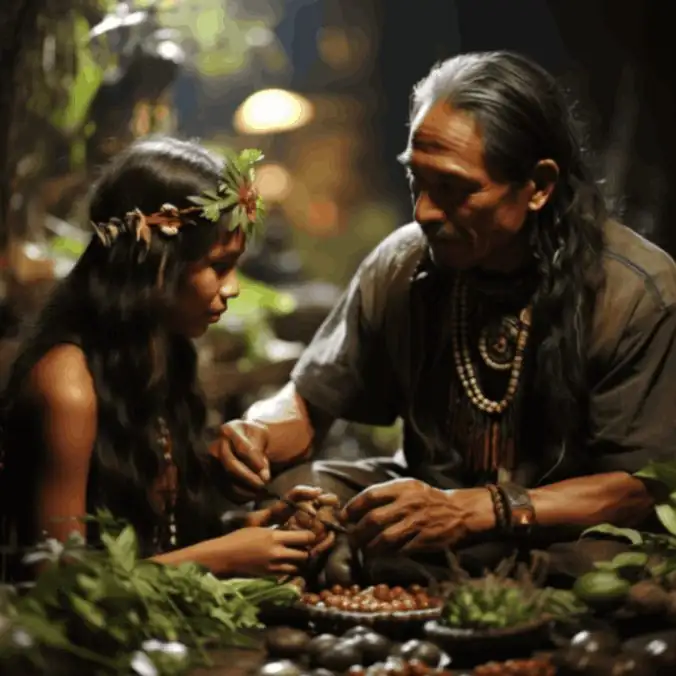
How Cacao breaks boundaries
The rituals around Cacao speak to things every person knows: the wish to belong, to be seen and to feel connected. That is why a Cacao Ceremony can bring together people who might never have met otherwise.
We have seen it again and again. After a Ceremony, the room is quiet and full. Conversations flow, stories are shared, and people leave with a deeper understanding of each other. In these moments, Cacao becomes more than a drink. It becomes a bridge.
If you would like to know how a Ceremony unfolds, start with what a Cacao Ceremony is. To go back to the roots, read about the sacred Cacao ritual and where it comes from.
The heart of the matter
One theme runs through all of this: education and respect. Knowing the roots of Cacao, its spiritual meaning and its place in Indigenous life is not an academic exercise. It is a path to deeper respect, more meaningful connection and a richer life.
So many people long to slow down and feel connected again. When you learn to share Cacao with respect for where it comes from, you can hold that space for them.