Welcome to the world of Cacao Ceremonies, a sacred practice that has been cherished for centuries. Whether you are a spiritual seeker or simply curious about this ancient ritual, this guide walks you through its history, its benefits and its transformative power.
What is a Cacao Ceremony?
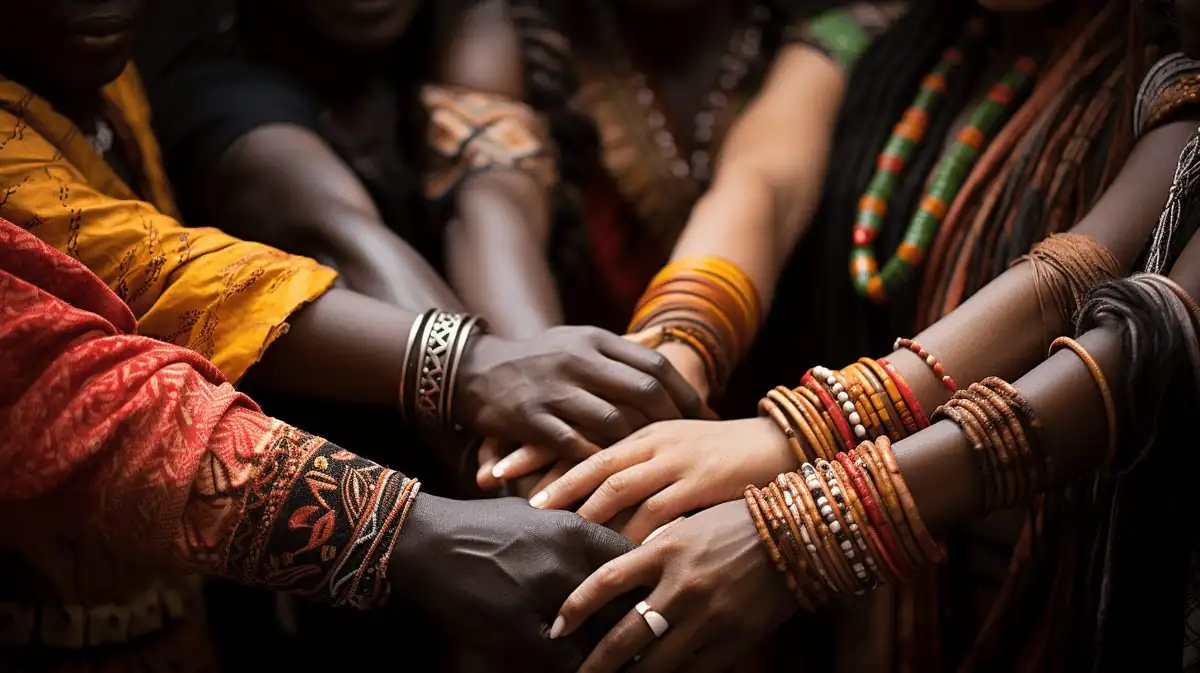
A Cacao Ceremony is not your average social gathering. It brings together ancient wisdom, spiritual practice and the gentle power of Cacao to create a transformative experience.
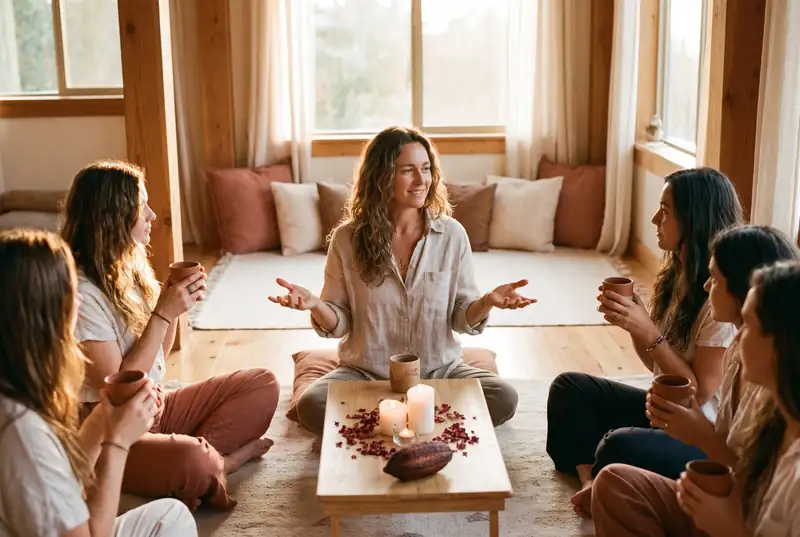
At its core, a Cacao Ceremony is a spiritual journey guided by the Ceremonial use of Cacao, a plant revered for its ability to open the heart. People gather in a sacred space and drink Cacao prepared with care, to connect more deeply with themselves and with each other.
The Components of the Ceremony
While the elements of a Cacao Ceremony can vary, these are often considered the most important:
- Preparation of Cacao: The Ceremony often starts with the preparation of Ceremonial-grade Cacao. It is done with intention and reverence, and it sets the tone for everything that follows.
- Intention Setting: Before drinking the Cacao, everyone is guided to set a personal intention for what they wish to experience or release.
- Ritual Drinking: The Cacao is drunk slowly and consciously, often with prayers, chants or affirmations.
- Guided Practices: Afterwards the Ceremony may include guided meditations, journaling, or movement like yoga or dance.
- Community Sharing: The Ceremony usually ends with a sharing circle, where everyone can share their experiences and insights.
The Intangible Benefits
The intangible benefits are what make each Cacao Ceremony unique. Participants often describe emotional release, a clearer intuition and a new sense of community and connection.
The History and Origins of Cacao Ceremonies
The Ancient Beginnings: A Gift from Mesoamerica
The story of Cacao begins thousands of years ago in Mesoamerica, home to civilizations like the Maya and the Aztecs. For these cultures, Cacao was not merely a culinary delight but a sacred substance used in religious rituals, in marriage Ceremonies and even as currency.
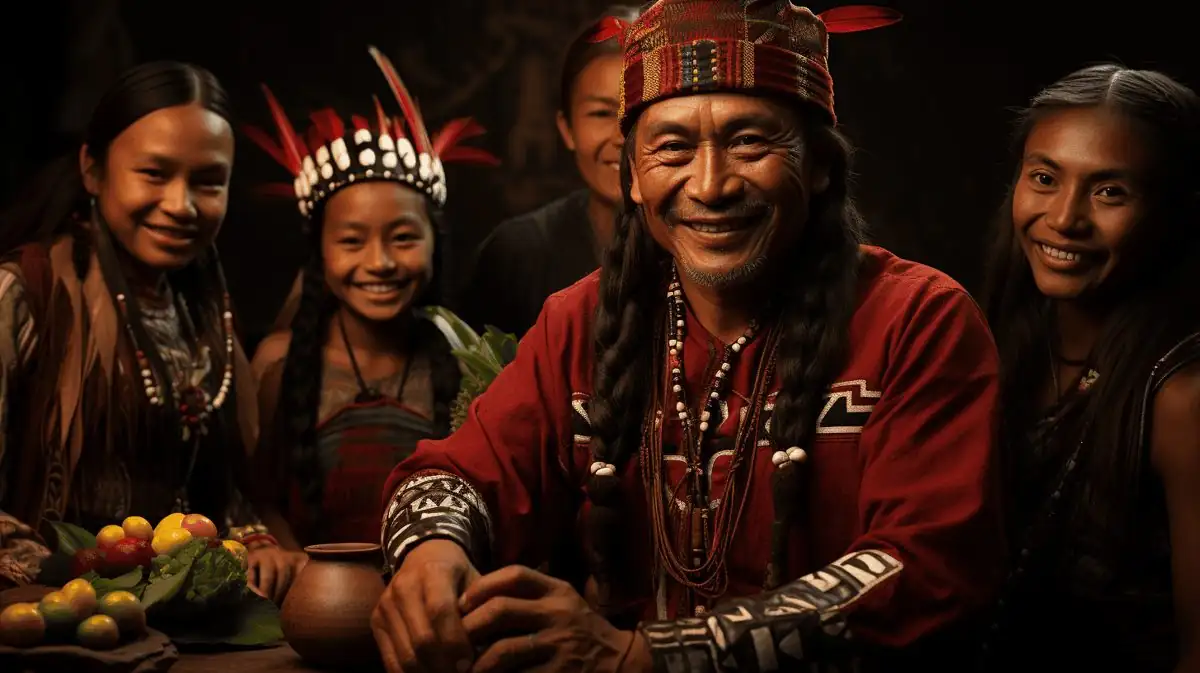
The Spiritual Essence: Cacao as the "Food of the Gods"
In Maya and Aztec traditions, Cacao was often called the "food of the gods" and was believed to help people commune with higher realms. Shamans used Cacao in their rituals to connect with ancestral spirits and to gain spiritual insight.
The sacredness of Cacao did not stay in Mesoamerica. When explorers like Hernán Cortés returned to Europe with Cacao, it found its way into new cultures. Over time the practice changed, but its spiritual heart remained.
A Note on Cultural Sensitivity: Approach with Respect
As Cacao Ceremonies spread around the world, it is vital to approach the practice with the respect and sensitivity it deserves, and to avoid cultural appropriation. Learn more in our article How Mama Cacao Unites Us in Love and Respect.
The Modern Revival: Ancient Wisdom for Today
In the last few decades, Cacao Ceremonies have seen a revival, especially within wellness and spiritual communities. This modern revival honors the ancient roots while adapting the ritual to the needs of our time.
The Benefits of Cacao Ceremonies
A Cacao Ceremony touches the body, the heart and the soul. Here is what many people experience.
Physical Benefits
- Mood: Many people feel lighter and happier after a Ceremony.
- Gentle Energy: The theobromine in Cacao gives a softer, steadier energy than the quick highs and lows of coffee.
For a closer look at what Cacao does in the body, read our article What is a Cacao Ceremony?
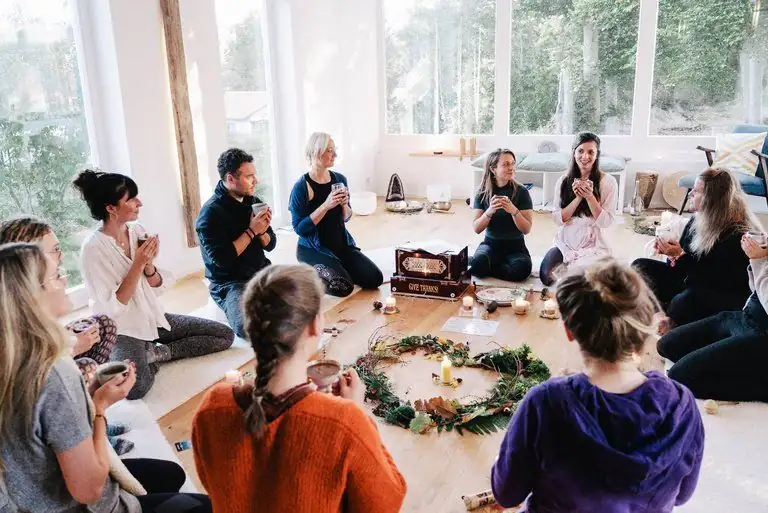
Emotional and Spiritual Benefits
- Release: The Ceremony is a safe space to let go of feelings you have been holding on to.
- Presence: Every step, from preparing the Cacao to drinking it, invites you into the moment.
- Heart Opening: Cacao has long been known as the "food of the heart", and many people feel softer and more open in the circle.
- Intuition: Many people leave a Ceremony with a clearer sense of what their heart wants.
Setting the Right Intention
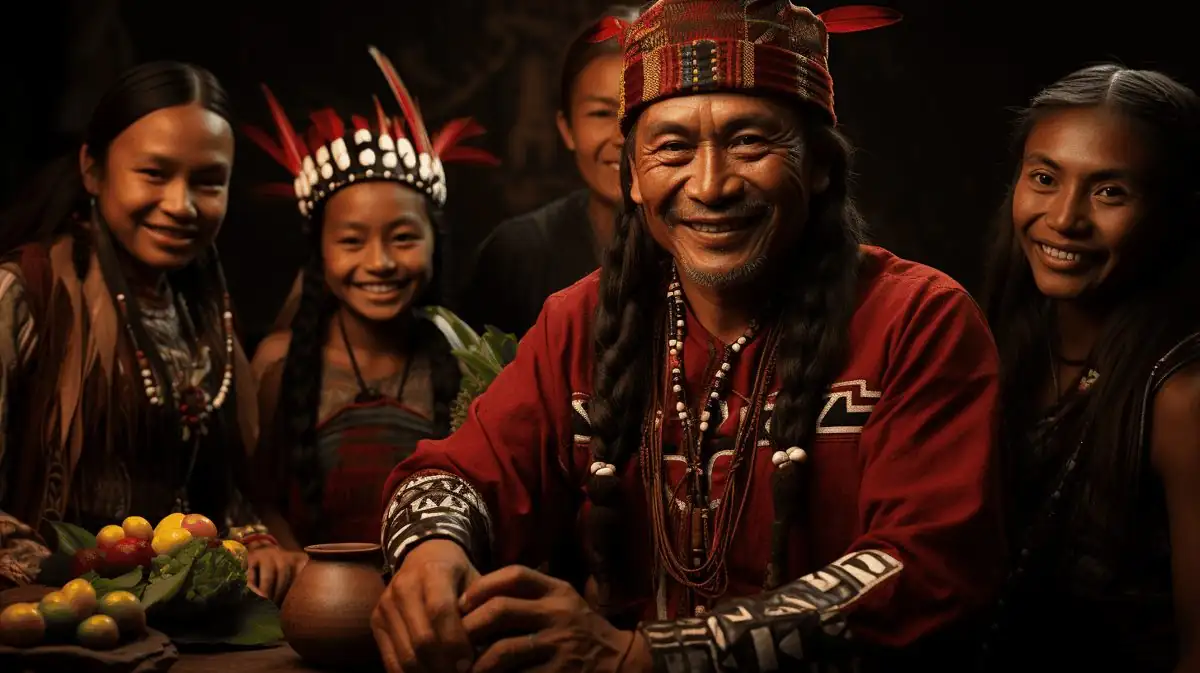
In a Cacao Ceremony, setting an intention is not a mere formality. It is the compass that guides your whole experience.
The Power of Intention: Why It Matters
Setting an intention is like planting a seed in fertile soil. It is the first step towards what you seek, whether that is healing, clarity or transformation. The Cacao supports you on the way.
Types of Intentions: A Spectrum of Possibilities
- Healing and Release: Some come to the Ceremony to let go of something heavy.
- Spiritual Growth: Others seek deeper spiritual insight or a stronger connection with their higher self.
- Community and Connection: For many, the intention is to deepen relationships and feel part of a community.
Your intention does not only touch you. It becomes part of the shared energy of the circle, and aligned intentions make the Ceremony deeper for everyone. To learn more, read our article on Cacao Ceremony intentions.
How to Prepare for a Cacao Ceremony
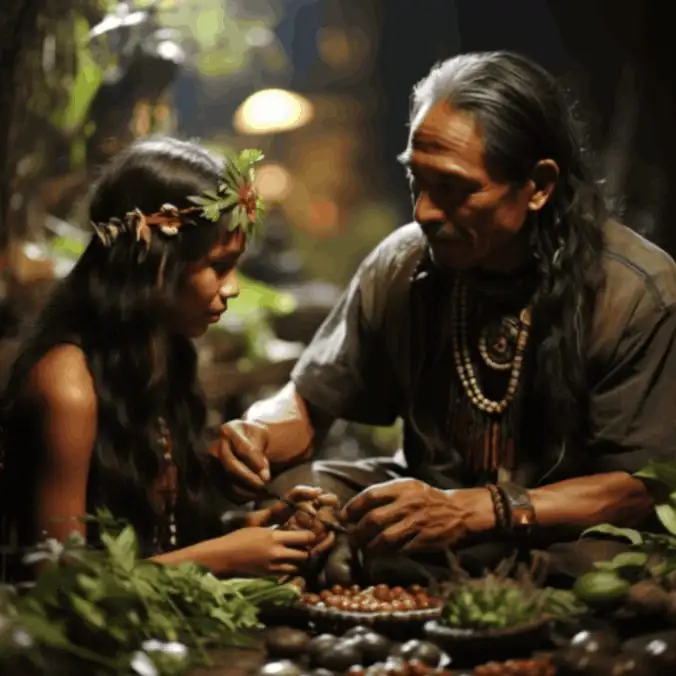
Preparation helps you arrive ready to receive. It is not just about showing up, it is about arriving in a state that lets you fully take part. Here is how to prepare your body and your mind.
Physical Preparation: The Body as a Temple
In the hours before the Ceremony, skip coffee and heavy meals. Drink plenty of water before and after. Wear clothes that are comfortable and let you move freely.
Mental Preparation: The Mind as a Canvas
Meditation or a few deep breaths can help quiet the mind and make you more open to the Ceremony. Come with an open heart, and let go of expectations. The more you can surrender, the more space you create for something new.
The Day Of: A Timeline for Preparation
On the day of the Ceremony, start your morning with a grounding practice, such as yoga or a walk in nature. Eat a light meal a few hours before. Arrive about 30 minutes early, so you can settle into the space.
Would you like to prepare your own Cacao for the Ceremony? Our recipe walks you through every step.
The Role of a Facilitator in a Cacao Ceremony
The facilitator is not merely an organizer or a host. They are a guiding light, holding the shared energy of the Ceremony. Their role touches the practical, the spiritual and the emotional side of the Ceremony.
The Facilitator as a Spiritual Guide
A trained facilitator knows the traditions and rituals around Cacao and makes sure the Ceremony is held with respect and reverence. They guide participants through the emotional and spiritual landscapes that a Ceremony often opens, and keep it a safe space for exploration and transformation.
The Facilitator as an Emotional Anchor
Emotions can run high during a Cacao Ceremony. The facilitator is an emotional anchor. They create a space where everyone feels seen, heard and supported.
The Facilitator as a Keeper of Space
The facilitator also cares for the physical space. They prepare a room that invites both quiet reflection and connection, often with candles, flowers or a small altar.
Why a Trained Facilitator Matters
The depth and safety of a Cacao Ceremony depend on the care and the skill of the person who holds it. Without training, a facilitator can easily create a space where participants feel unsafe or misunderstood.
Common Myths and Misconceptions
A few myths keep people from experiencing what a Cacao Ceremony can give. Let us set the record straight.
Myth 1: Cacao Ceremonies are a New-Age Invention
Cacao Ceremonies have roots in ancient Mesoamerican cultures. Today's Ceremonies often blend these traditions with modern spiritual practice.
Myth 2: Cacao Ceremonies are Just About Drinking Chocolate
Cacao is at the center, but the Ceremony is much more: meditation, intention and often singing or dancing together.
Myth 3: Anyone Can Facilitate a Cacao Ceremony
Holding a Ceremony with respect, safety and depth takes training and understanding.
Myth 4: Cacao Ceremonies are Only for Spiritual People
Cacao Ceremonies welcome people from all walks of life, whatever they believe.
Myth 5: Cacao is Just Another Stimulant
Cacao contains theobromine, a mild stimulant, but it feels very different from coffee: gentle and steady, without the jitters.
How to Choose the Right Cacao
The Cacao you choose is more than an ingredient. It is the heart of your Ceremony. Its quality, origin and preparation shape the whole experience.
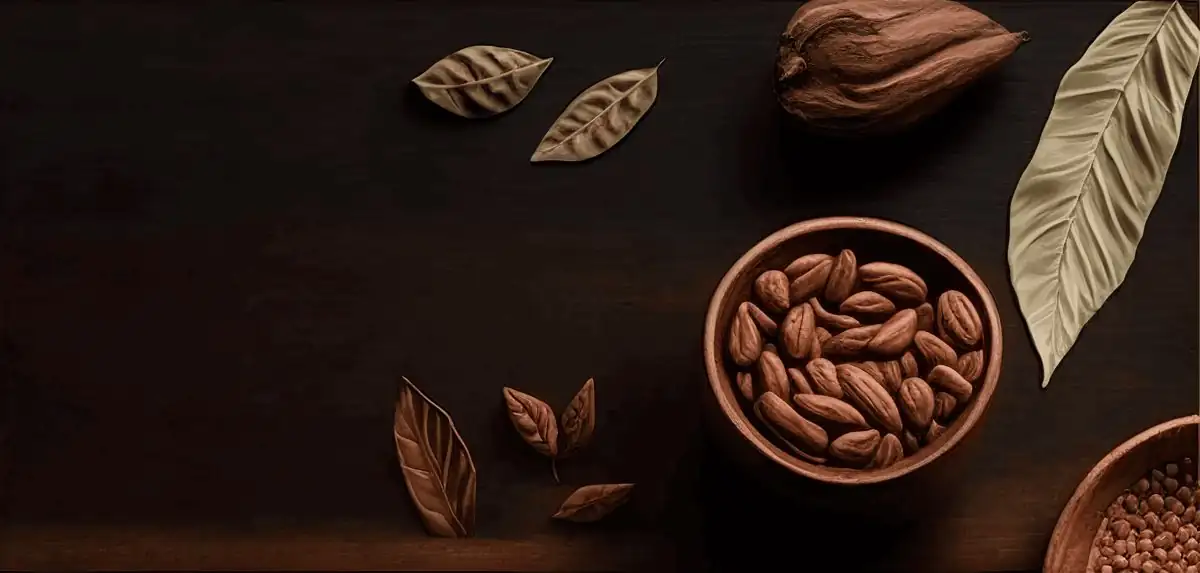
The Importance of Ceremonial-Grade Cacao
Not all Cacao is created equal. Ceremonial-grade Cacao is made for Ceremonial use. It is minimally processed and keeps its natural nutrients. This is the Cacao that was used in ancient Ceremonies, and it is the right choice for yours.
The Difference Between Ceremonial Cacao and Regular Cacao or Chocolate
Regular Cacao powder is often heavily processed, which strips away much of what makes Cacao special. Chocolate contains sugar and milk. Neither is a substitute for Ceremonial-grade Cacao.
Ethical and Sustainable Choices
When choosing your Cacao, look at where it comes from and how it is made. Ethically sourced, fair-trade Cacao supports the farmers who grow it, and it is often of higher quality too.
Your Next Step with Cacao Ceremonies
Cacao Ceremonies bring together history, spirituality and community. From setting the right intention to the role of a trained facilitator, each element adds to the depth of the experience.
So many people long to slow down and feel connected again. They need someone who holds that space for them. If you feel the call to be that person, we would be honored to guide you.